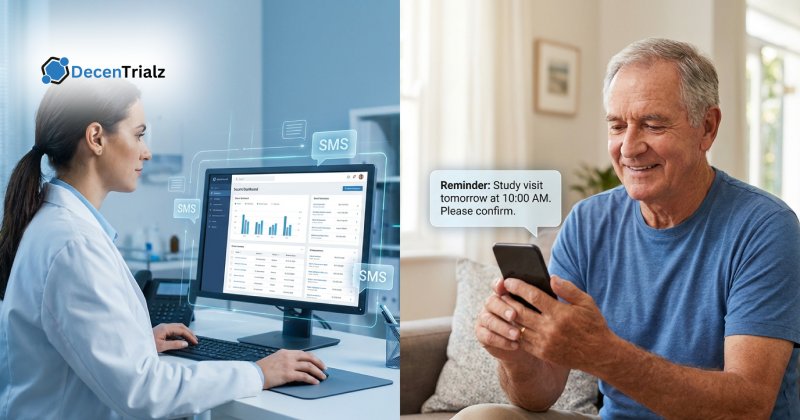
Digital communication channels in clinical trials play a central role in how studies deliver information, coordinate activities, and support engagement throughout the study lifecycle. As trials become more complex and geographically distributed, relying only on phone calls or paper-based communication is often insufficient.
Participants benefit from clear, timely, and accessible communication. Digital tools such as mobile applications, SMS reminders, email notifications, and secure portals help participants stay informed about study activities and expectations. When communication is structured and predictable, participants are better able to follow study requirements and feel supported throughout the trial.
Why Digital Communication Matters for Participants
Effective communication helps participants understand what is expected of them at each stage of a clinical trial. Digital communication channels reduce uncertainty by delivering instructions, reminders, and updates in a consistent and accessible way.
Clear digital communication supports:
- Better understanding of study schedules and tasks
- Improved confidence in managing participation requirements
- Fewer missed visits and incomplete study activities
When participants feel informed and supported, they are more likely to remain engaged throughout the study.
Digital communication channels in clinical trials help participants stay informed by delivering clear instructions, reminders, and updates in a consistent and accessible way.
Common Digital Communication Channels Used With Participants
Clinical trials typically use multiple digital communication channels to reach participants. Each channel serves a specific purpose and works best when used together as part of a coordinated approach.
Common digital communication channels include:
- Mobile applications for ongoing study engagement
- SMS and email for reminders and alerts
- Web-based participant portals for secure access to study information
Using multiple channels ensures that participants receive important information in a timely and accessible manner.
Mobile Applications for Participant Engagement
Mobile applications are increasingly used as a primary communication channel in clinical trials. A mobile app can centralize study-related information, helping participants stay organized without relying on multiple tools.
Through a mobile application, participants can:
- View visit schedules and upcoming tasks
- Receive study notifications and updates
- Access instructions and educational materials
Having information in one place reduces confusion and makes it easier for participants to manage study responsibilities.
SMS and Email for Timely Notifications
SMS and email remain important digital communication channels, particularly for time-sensitive messages. These methods are widely accessible and effective for brief, action-oriented communication.
Common uses include:
- Appointment reminders
- Medication and diary prompts
- Follow-up notifications after study visits
SMS reminders are especially helpful when participants need to take immediate action, such as confirming a visit or completing a task.
Secure Participant Portals for Study Information
Participant portals provide a secure environment where participants can access study-related information at their convenience. These portals are designed to protect privacy while offering transparency.
Participant portals may allow individuals to:
- Review study documents and updates
- Access secure messages
- Track completed and upcoming study activities
Having a dedicated portal helps participants know where to find accurate and up-to-date information.
Aligning Communication With Participant Needs
Digital communication is most effective when messages are relevant and well-timed. Sending too many messages or sharing unnecessary information can reduce engagement.
Helpful communication practices include:
- Sending messages based on study milestones
- Keeping content clear and concise
- Avoiding repeated or unnecessary notifications
When communication aligns with participant needs and timing, it feels supportive rather than disruptive.
Privacy, Consent, and Responsible Communication
Digital communication with participants must respect privacy and consent requirements. Participants should understand how and when digital communication will be used during the study.
Important considerations include:
- Protecting personal and study-related information
- Using secure platforms for sensitive messages
- Respecting participant communication preferences
Responsible communication helps maintain trust and supports ethical research practices.
Common Challenges Participants May Experience
Participants may encounter challenges with digital communication, such as:
- Managing multiple communication channels
- Receiving messages that are unclear or repetitive
- Difficulty accessing information when needed
Clear workflows and well-designed digital tools help reduce these challenges and improve the participant experience.
Best Practices for Digital Communication With Participants
Effective digital communication is supported by simple, participant-friendly practices:
- Clear and consistent messaging
- Predictable communication schedules
- Easy access to support when questions arise
These practices help participants feel confident and informed throughout the study.
How Digital Platforms Support Participant Communication
Modern clinical trial platforms support digital communication by centralizing messages, schedules, and study updates in secure environments. These platforms make it easier for participants to stay informed while allowing research teams to maintain consistent communication practices.
Centralized digital communication reduces confusion and supports a smoother participation experience.
Leave a Reply