Author: Swaroop ESD

  • How to Register a Clinical Trial in the U.S. (2026 Guide for Sponsors)

    How to Register a Clinical Trial in the U.S. (2026 Guide for Sponsors)

    Registering a clinical trial in the United States can feel complicated, especially if your team is juggling IND or IDE decisions, IRB timelines, and ClinicalTrials.gov requirements at the same time. The good news is that the process becomes far more manageable once you understand the sequence and what information each step requires.

    This guide explains the registration process in simple terms so sponsors and research teams can avoid delays and keep the study startup on track.

    (Note: This guide is informational and does not replace legal or regulatory advice. Requirements evolve, and Sponsors should always verify current regulations.)

    Key Takeaways

    You will learn:

    How DecenTrialz supports pre screening and early readiness

    When your study needs an IND or IDE

    What documents IRBs expect

    What information ClinicalTrials.gov requires in 2026

    How PRS review works

    Where sponsors often lose time

    Step 1: Determine Whether Your Study Requires FDA IND Registration

    Before planning recruitment or registration, Sponsors must determine whether an investigational product requires an Investigational New Drug (IND) application.

    What an IND Is?

    An IND is FDA’s mechanism for overseeing the safety of clinical investigations involving drugs and biologics that are new, used in new ways, or used in new combinations. The IND gives FDA the opportunity to review your plan before people are exposed to the product.

    When an IND Is Required

    Generally, an IND is needed when your study:

    • Involves a new, unapproved drug or biologic
    • Uses an approved product for a new indication
    • Changes route, dose, or regimen in a way that may increase risk
    • Tests new combinations of approved products

    Some studies (for example, certain observational or non-interventional drug studies) may be exempt, but Sponsors should document the rationale.

    Types of INDs

    • Commercial IND – submitted by a company developing a product for marketing
    • Investigator IND – submitted by an individual investigator (often academic)
    • Emergency Use IND – for urgent situations where treatment cannot wait

    Documents Typically Needed

    • Protocol
    • Investigator brochure
    • Preclinical safety data
    • Chemistry, manufacturing, and controls (CMC) details
    • Informed consent templates
    • Safety monitoring and reporting plan

    The 30-Day IND Review Period

    Once FDA receives the IND, there is a 30-day statutory review period. During this time, the Sponsor must wait 30 calendar days before initiating the study. If FDA does not place the IND on clinical hold, the IND automatically goes into effect at the end of the 30 days, or earlier if FDA explicitly gives the go-ahead.

    Enrollment may begin only after:

    • The IND is in effect (no clinical hold), and
    • IRB approval has been obtained.

    Device Studies: Brief IDE Decision Framework

    If your study involves a device rather than a drug/biologic:

    • Significant risk (SR) devices generally require an FDA Investigational Device Exemption (IDE) approval plus IRB approval before starting.
    • Non-significant risk (NSR) devices do not require a full IDE submission to FDA; they follow “abbreviated IDE” requirements and only need IRB approval, but must still meet FDA device regulations.
    • Some device studies are exempt when using approved devices within labeling or under specific regulatory criteria.

    Clarifying drug vs. device pathways early helps align the registration clinical trial sequence and documentation.

    Common Sponsor Mistakes

    • Assuming IND or IDE is “approved” rather than understanding the automatic-effect or “deemed approved” frameworks
    • Submitting incomplete safety or CMC information
    • Vague primary outcomes and unclear risk justification

    Failing to document why an IND/IDE is or is not required

    Step 2: Prepare for IRB Review — IRB Approval Steps

    An Institutional Review Board (IRB) protects participant rights and welfare. IRB approval is required in addition to FDA oversight before enrollment may begin.

    What an IRB Is

    An IRB is an independent ethics committee that reviews clinical research to ensure risks are minimized and reasonable, consent is understandable, and privacy protections are in place.

    Core IRB Submission Package

    Typical documents include:

    • Full protocol
    • Informed consent and (if applicable) assent forms
    • Recruitment materials and scripts
    • Investigator brochure or device manual
    • Safety information and risk-benefit description
    • Data protection and confidentiality plans

    Central vs. Local IRB

    • Central IRB: Often used for multi-site industry-sponsored studies, providing a single, consistent review.
    • Local IRB: Common at academic centers; may require institutional templates or policies.

    Timing and Sequencing With IND/IDE

    IRBs may review protocols while FDA is reviewing an IND or IDE, but enrollment cannot start until:

    • The IND is in effect (or IDE is approved or deemed approved for NSR devices), and
    • IRB approval is in place.

    Many IRBs expect documentation of the IND or IDE status before final approval is implemented, even if review begins in parallel.

    Common Reasons for IRB Delays

    • Consent forms lacking key risk or contact information
    • Inconsistent details between protocol, consent, and recruitment materials
    • Unclear data-handling or monitoring plans
    • Missing device risk rationale (SR vs. NSR)
    • Repeated minor wording issues that slow approval cycles

    Additional Requirement: Informed Consent Posting (Common Rule)

    For certain HHS-supported clinical trials, one IRB-approved consent form used to enroll participants must be posted on a designated federal website (such as ClinicalTrials.gov) after recruitment closes and no later than 60 days after the last study visit.

    Sponsors should plan this posting as part of their documentation timeline.

    Step 3: Register the Trial on ClinicalTrials.gov

    ClinicalTrials.gov is the primary public registry for U.S. clinical trials and the focus of many ClinicalTrials.gov guide resources.

    Who Must Register?

    There are three overlapping policy drivers:

    • FDAAA 801/ Final Rule (HHS): Requires registration of “Applicable Clinical Trials” (ACTs), generally Phase 2–4 drug and biologic trials and certain device trials; Phase 1 drug trials are typically exempt.
    • NIH Policy: Requires registration and results reporting for all NIH-funded clinical trials, regardless of phase, intervention type, or whether they are ACTs.
    • ICMJE Policy: Requires prospective registration of all “clinically directive” trials (any trial assigning human subjects to an intervention to study health outcomes) as a condition for publication.

    This means a Phase 1 drug trial might be exempt from FDAAA registration but still must register if NIH-funded or if publication in an ICMJE-aligned journal is planned.

    When Registration Is Required

    • FDAAA 801 / NIH policy: No later than 21 days after enrollment of the first participant for applicable and NIH-funded trials.
    • ICMJE: Requires prospective registration—before the first participant is enrolled.

    Sponsors intending to publish or follow common institutional standards should treat “before first enrollment” as the practical default for clinical trial registration USA.

    Key Information Needed for Registration

    Before using PRS, gather:

    • Official study title
    • Brief summary (plain language, non-promotional)
    • Study design (phase for drugs, or feasibility/IDE terminology for devices; allocation, masking, primary purpose)
    • Eligibility criteria (clear inclusion and exclusion)
    • Outcome measures with specific time frames
    • Study arms and interventions
    • Enrollment type and target sample size
    • Facility locations
    • Oversight details (IND/IDE status, FDA regulated product flags)
    • Sponsor and responsible party contacts

    Phase labels (Phase 1, 2, 3, 4) apply primarily to drug and biologic studies; device trials may use alternative descriptors (for example, feasibility, pivotal).

    Step 4:Using the Protocol Registration and Results System (PRS)

    The PRS is the web-based system that manages protocol registration and results submission.

    How PRS Works

    1. Set up an organizational account – A PRS administrator at the institution or Sponsor manages user access.
    2. Enter structured data elements – Using standardized fields for design, outcomes, eligibility, locations, and oversight.
    3. Release the record for Quality Control (QC) review – ClinicalTrials.gov staff review for clarity and completeness.

    Major vs. Advisory QC Issues

    Updated PRS procedures distinguish:

    • Major Issues: Must be corrected or addressed to meet QC criteria.
    • Advisory Issues: Suggestions to improve clarity; not strictly required but recommended.

    For results, ClinicalTrials.gov may post records within 30 days of submission even if QC review is not complete, with notations that QC review is ongoing.

    Common PRS Problems to Avoid

    • Outcome measures without specified time frames
    • Vague or overlapping primary and secondary endpoints
    • Missing locations or facility information
    • Inconsistent recruitment status vs. actual site activity
    • Overuse of abbreviations without explanation

    A concise internal checklist can prevent repeated QC cycles and keep your registration clinical trial timeline on track.

    Step 5: Understand Registration Timelines

    Thinking about sequence early prevents regulatory surprises.

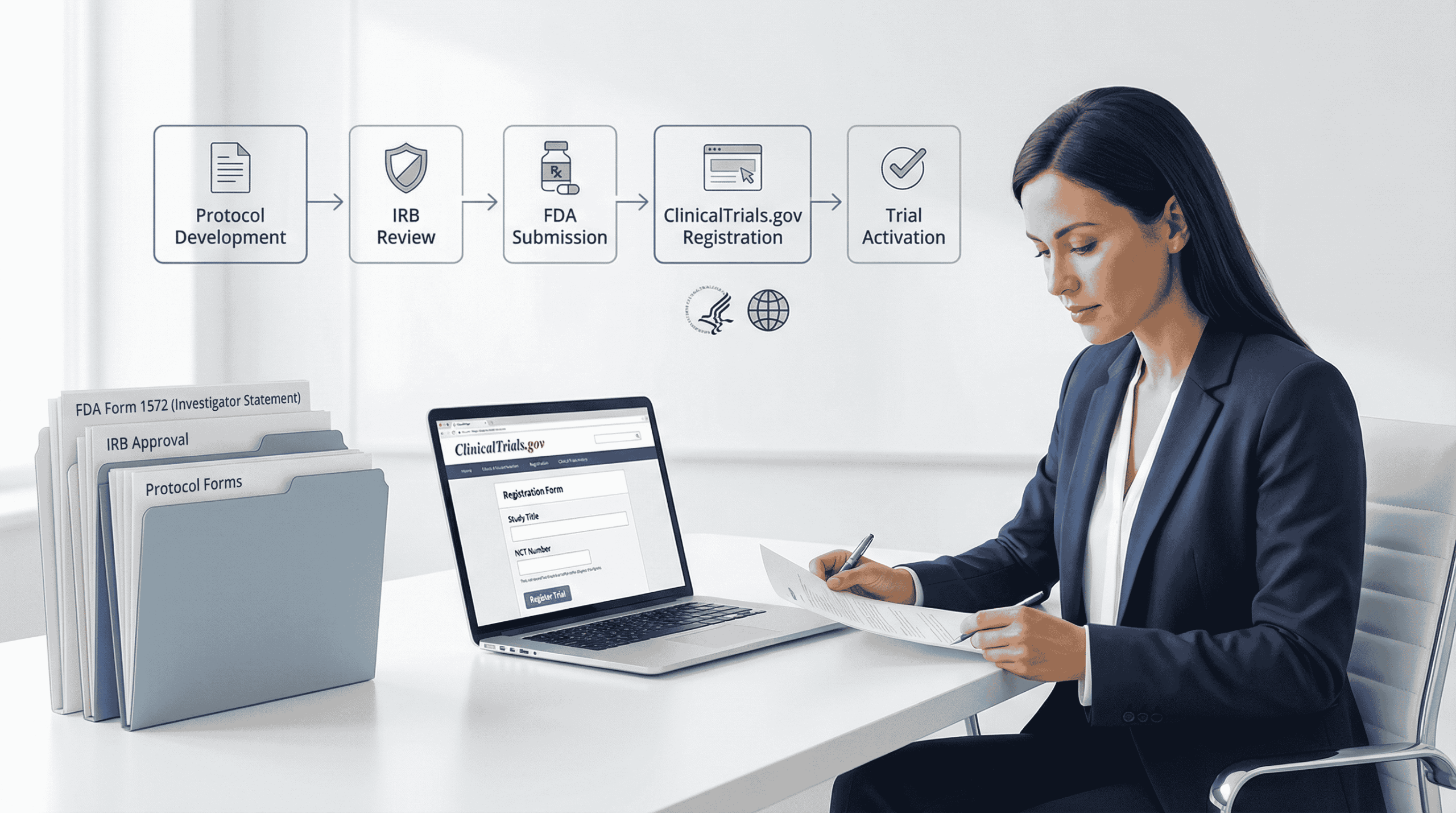
    Typical Operational Sequence

    1. Determine regulatory pathway (IND or IDE; drug vs. device).
    2. Submit IND or IDE to FDA.
    3. Wait 30 days for IND to go into effect (or for IDE approval/NSR determination), unless FDA allows an earlier start.
    4. Obtain IRB approval.
    5. Register the trial on ClinicalTrials.gov using PRS.
    6. Begin enrollment only after IND/IDE is active and IRB approval is in place.

    Registration Deadlines You Must Balance

    • FDAAA / NIH: Register within 21 days after the first participant is enrolled for ACTs and NIH-funded trials.
    • ICMJE: Register before the first participant is enrolled to remain eligible for publication.

    For most Sponsors, the safest operational approach is to complete ClinicalTrials.gov registration before first enrollment, even if the law allows a 21-day window.

    Consequences of Delayed or Inaccurate Registration

    • Civil monetary penalties under FDAAA 801
    • Potential withholding of NIH funds
    • Ineligibility for publication in ICMJE-aligned journals
    • Reputational risk and reduced public trust

    Step 6: Common Errors Sponsors Should Avoid

    Across drug, biologic, and device trials, Sponsors frequently encounter similar problems:

    • Missing or non-specific primary outcome measures
    • Outcome measures without time frames
    • Ambiguous eligibility criteria that do not match the protocol
    • Incorrect or inconsistent phase or study description, especially for device trials
    • Failure to list all active locations or update when sites open or close
    • Out-of-date recruitment status (e.g., shows “Recruiting” when enrollment is closed)
    • Protocol amendments not reflected in the ClinicalTrials.gov record
    • Not posting required consent forms for certain federally supported trials

    Reviewing these items as part of a pre-release QC checklist can greatly improve the quality of your ClinicalTrials.gov record.

    How DecenTrialz Helps Simplify Trial Readiness

    DecenTrialz does not file INDs, IDEs, IRB submissions, or ClinicalTrials.gov registrations. Those responsibilities remain with sponsors.
    However, a large portion of registration challenges come from inconsistent eligibility criteria, unclear recruitment materials, or misaligned workflows.

    DecenTrialz strengthens early trial readiness by helping sponsors:

    • Translate protocol eligibility into structured digital pre screeners
    • Ensure participant facing materials are consistent
    • Reduce mismatches between protocol text and operational workflows
    • Organize participant information for cleaner site review
    • Deliver only pre qualified participants once recruitment begins

    This improves study startup efficiency and helps prevent avoidable screen failures.

    Registering a clinical trial in the United States becomes far less stressful when you follow the correct sequence. By confirming IND or IDE requirements early, preparing complete IRB materials, entering accurate information in ClinicalTrials.gov, and avoiding common mistakes, sponsors can protect timelines and demonstrate transparency.

    If you want help organizing eligibility criteria, pre screening logic, and early participant workflows before your study launches, DecenTrialz provides a structured and HIPAA compliant way to support your trial readiness.

    Learn more: www.decentrialz.com
    Contact our team: www.decentrialz.com/contact

  • Leveraging Artificial Intelligence in CRO Operations

    Leveraging Artificial Intelligence in CRO Operations

    AI CRO operations are transforming how Clinical Research Organizations (CROs) keep clinical trials moving. CROs design studies, manage sites, monitor data, and ensure everything meets strict regulatory standards. But as trials grow more complex, traditional approaches often struggle to keep pace.

    That is where artificial intelligence comes in. AI CRO operations are no longer just a futuristic concept, they are becoming a practical solution for some of the most pressing challenges in research. AI is not here to replace people; it is here to give CRO teams better tools, sharper insights, and a more efficient way to manage the work that keeps studies on track.

    AI CRO operations Expanding Role of CROs

    CROs have always carried a wide range of responsibilities. From early feasibility studies to regulatory submissions and data analysis, their role is to make sure promising science moves forward without unnecessary delays.

    The challenge is that every part of a trial is now bigger. Datasets are larger. Oversight is stricter. Sponsors expect faster results. And participants need a better experience if they are going to stay engaged through the end of the study.

    AI helps CROs balance these growing demands. By handling repetitive tasks and quickly spotting patterns in data, AI allows CRO professionals to focus on higher-level decisions, the kind that improve trial outcomes and strengthen sponsor relationships.

    Recruitment That Works Smarter

    AI CRO operations are addressing one of the biggest causes of trial delays: patient recruitment. Ask any CRO where trials most often get delayed, and recruitment will likely top the list. Finding and enrolling the right participants takes enormous effort, and even then, retention is not guaranteed.

    Artificial intelligence makes this process faster and more precise. By scanning medical records, lab data, and even demographic information, AI can identify individuals who may qualify for a trial in a fraction of the time it takes with manual reviews.

    Solutions like DecenTrialz take this a step further. With AI-driven pre-screening, CROs can see eligible candidates earlier and pass cleaner lists to sites. This saves time, reduces costs, and improves diversity by reaching communities that might otherwise be missed.

    And recruitment is not just about identifying people. AI-powered outreach, such as automated reminders or tailored communication, keeps potential participants engaged so fewer drop out before enrollment begins.

    Smarter Data Management

    AI CRO operations are transforming how clinical trials handle vast amounts of data. Clinical trials generate mountains of information. Every lab test, every site visit, and every safety report must be captured, verified, and stored. This is one of the most resource-heavy jobs CROs handle, and it is where AI truly shines.

    AI tools can clean data in real time, flagging errors before they create larger issues. Machine learning models can highlight unusual safety signals early, while natural language processing can quickly interpret clinical notes that used to take staff hours to review.

    The result is not just speed but quality. Sponsors get real-time insights into study progress, while CRO teams spend less time on error correction and more time on meaningful analysis.

    Making Workflows More Efficient

    AI CRO operations support the operational side of trials, where paperwork, scheduling, and constant coordination often slow progress. Running a trial is not only about science; it also involves extensive documentation, timelines, and cross-team communication.

    Document review and regulatory submissions can be checked automatically for missing details. Site performance can be tracked across dozens of metrics without manual spreadsheets. Scheduling can be handled by smart systems that reduce back-and-forth emails.

    These small but constant efficiencies add up. Less time spent chasing paperwork means more time supporting sites, guiding participants, and ensuring the trial delivers on its goals.

    Supporting Participant Retention

    Enrolling participants is one hurdle, but keeping them engaged through the end of a study is just as important. Dropouts create delays, add costs, and in some cases jeopardize the reliability of results.

    AI CRO operations help CROs spot early signs of participant disengagement. For example, if a participant starts missing appointments or logs unusual health data, an AI system can alert coordinators to intervene quickly. Personalized communication strategies can also be adjusted in real time, giving people the support they need to stay with the study.

    Retention is not just a number on a report, it is about building trust. When participants feel supported, they are more likely to complete the study. AI gives CROs the insights to make that support consistent and proactive.

    What the Future Holds

    AI CRO operations are still evolving, but CROs are already seeing what is possible. The future may include predictive recruitment models that forecast which sites will meet enrollment goals, or adaptive trial designs that shift in real time as new data arrives. AI also makes decentralized and hybrid trials easier to run, combining remote monitoring with site-based support.

    The most exciting part is how AI strengthens the human side of clinical research. By removing busywork and surfacing better insights, CRO professionals can spend more time solving real problems, guiding sponsors, and supporting participants.

    Closing Perspective

    AI CRO operations are not about replacing expertise; they are about enhancing it. CROs that embrace artificial intelligence today will be able to deliver faster recruitment, cleaner data, and smoother workflows tomorrow.

    By combining human experience with trial technology, CROs can position themselves not just as service providers, but as innovation partners who set the pace for the entire industry.

  • Patient Privacy in the Digital Age: Safeguarding Data in Research

    Patient Privacy in the Digital Age: Safeguarding Data in Research

    When you think about joining a clinical trial, one of the first questions that comes to mind is, “What happens to my personal information?”
    It’s a fair question, and an important one. In a world where everything from shopping to medical records lives online, patient data privacy has become one of the most critical parts of clinical research.

    Modern trials collect an incredible amount of data, lab results, genetic information, digital health readings, even data from wearable devices. Protecting that information is not only required by law but also essential to building the trust that keeps research moving forward.

    Why Protecting Data Matters

    Every person who joins a clinical trial brings more than just their time; they share their personal health information, sometimes deeply private details. That trust deserves serious protection.

    Breaches or misuse of medical data can lead to loss of confidence, fear, and hesitation to participate in future research. For sponsors, researchers, and CROs, protecting that trust is just as important as testing a new therapy.
    When participants feel confident that their information is safe, they’re more likely to engage openly and stay through the full course of the trial.

    Data privacy, in this sense, isn’t just about security, it’s about respect.

    What Laws and Standards Protect You

    Across the world, several strong privacy frameworks are in place to protect research participants. In the United States, the Health Insurance Portability and Accountability Act (HIPAA) sets strict guidelines for how patient data is stored, shared, and accessed. HIPAA ensures that personal health information cannot be used or disclosed without your permission, except under very specific research safeguards.

    Other regions follow similar standards, such as the GDPR in Europe or the PIPEDA framework in Canada. These rules share the same goal: to protect individual rights while allowing ethical medical research to continue.

    For participants, these standards mean you have control over your data, you can ask how it’s used, where it’s stored, and who has access to it.

    Before joining any study, you’ll review and sign an informed consent form. That document explains exactly what data will be collected, how it will be protected, and what rights you have throughout the process. Always take the time to read it carefully and ask questions if anything feels unclear.

    How Digital Tools Keep Data Secure

    Technology has changed how clinical research is conducted, and also how privacy is maintained. The same innovations that allow remote monitoring, wearable tracking, and decentralized studies also bring advanced ways to keep data safe.

    Here’s how researchers are protecting your information in today’s digital environment:

    • Encryption: All patient information is encrypted, which means it’s converted into secure code that can only be unlocked by authorized systems or personnel.
    • Access controls: Only approved research staff can access identifiable information, and every login or data view is logged and tracked.
    • De-identification: Your personal details are often separated from the data itself, so the information used for analysis can’t be traced back to you.
    • Secure platforms: Trusted research systems use firewalls, multi-factor authentication, and continuous security audits to detect and prevent unauthorized access.

    Even in virtual or hybrid trials, data flows through encrypted, compliant systems, whether you’re completing surveys on a phone app or syncing data from a smartwatch.

    Building Patient Trust Through Transparency

    Technology and laws are powerful, but the most important ingredient in protecting privacy is trust. Participants need to know that research teams are not only following the rules but also communicating clearly.

    That’s why many clinical trial organizations now include participants in conversations about data management. Researchers explain what’s being collected, how long it will be stored, and whether it might be used for future studies.

    When participants see that transparency, it builds confidence, and that confidence drives the success of every clinical trial.

    Platforms like DecenTrialz help strengthen this relationship by providing patients with access to clear, easy-to-understand information about ongoing trials. Participants can explore opportunities safely, knowing that every listing follows privacy and security standards aligned with HIPAA and international guidelines.

    What You Can Do to Protect Yourself

    While clinical research organizations have strong systems in place, participants can take a few steps to stay informed and empowered:

    1. Ask questions early. Before enrolling, ask the study coordinator how your information will be stored and who can see it.
    2. Keep copies. Hold onto your consent documents and privacy notices for reference.
    3. Check legitimacy. Only join studies listed on verified platforms or official registries.
    4. Stay updated. If a study changes how it handles data, you have the right to be informed and to withdraw if you’re uncomfortable.

    You have more control than you might realize. Good research teams appreciate questions about privacy, it shows you care about your rights and understand your role in the study.

    Balancing Innovation and Protection

    As clinical trials become more digital, the balance between innovation and protection becomes even more important. Data helps researchers detect side effects faster, measure outcomes more accurately, and personalize treatments to each participant’s unique biology.

    But that progress should never come at the cost of privacy. The future of research depends on systems that use technology to protect participants, not expose them.

    When participants know that their information is handled responsibly, it strengthens the bond between people and science. And that trust helps research move forward faster, for everyone’s benefit.

    Clinical research has entered a digital age, but the human element remains at the center. Protecting your personal information isn’t just a legal requirement, it’s an ethical promise.

    Every researcher, sponsor, and CRO is responsible for upholding that promise through transparent communication, modern security tools, and full respect for each participant’s privacy.

    When you choose to take part in a trial, you’re contributing to the future of medicine. You deserve the peace of mind that comes with knowing your data, and your dignity,  are protected at every step.

  • The Evolving Role of CROs in a Patient-Centric World

    The Evolving Role of CROs in a Patient-Centric World

    CROs in clinical trials have long been the backbone of research, handling everything from protocol design and regulatory compliance to data management and trial operations. Traditionally, the focus of CROs was on maintaining operational efficiency, ensuring regulatory adherence, and optimizing data quality. While these duties have always been vital, the participant experience was often a secondary consideration.

    That is now changing. As healthcare shifts toward more personalized, inclusive, and accessible care, CROs are being asked to evolve. The emphasis on patient-centricity is redefining clinical research, placing participants’ needs, preferences, and experiences at the forefront. This is not simply a trend. It is a revolution in clinical trials, and CROs are poised to lead it.

    CROs’ Traditional Role

    In the past, CROs were viewed primarily as operational engines that managed the logistics of clinical trials. Their responsibilities included protocol management, participant recruitment, regulatory compliance, data collection, and ensuring trials stayed on time and within budget. While these duties ensured trials ran smoothly, the participant experience was not always a central focus.

    Recruitment was often treated as a logistical challenge rather than an opportunity to build trust and engagement. This contributed to common problems such as high dropout rates, low retention, and a lack of diversity in trials. These challenges, while widely recognized, often went unaddressed.

    The Shift to Patient-First Models

    The growing demand for patient-centric care is driving a fundamental shift in how CROs operate. Clinical trials are no longer only about collecting data. They are about creating experiences that prioritize comfort, well-being, and trust.

    Patient-centricity goes beyond making trials more convenient. It means designing protocols with the participant’s journey in mind. From reducing burdens such as frequent site visits to improving communication and transparency, this approach makes trials more inclusive and engaging.

    For example, oncology studies are now offering flexible scheduling options to reduce the stress of repeated hospital visits. Community outreach and language support are being integrated to improve diversity and representation.

    CROs are critical to implementing these changes. By designing protocols that are more participant-friendly, they help create an environment where individuals feel valued and involved in their care. This shift also reduces dropout rates and improves overall engagement. 

    Decentralized Approaches: Technology and Participant Journeys

    One of the most significant drivers of patient-centric trials is the rise of decentralized clinical trials (DCTs). These trials use digital platforms, remote monitoring, and virtual tools to make research more accessible. Instead of traveling long distances, participants can complete many aspects of the trial from home.

    Wearable devices, smartphone apps, and home health kits allow data such as heart rate, blood pressure, or oxygen levels to be captured in real time and securely shared with researchers. This reduces the need for site visits and makes trials more practical for people in rural areas or those with mobility challenges.

    CROs are leading the way in making decentralized trials successful. They ensure that the technology works smoothly, safety standards are maintained, and data quality remains strong. By embracing digital innovation, CROs are enabling more accessible and inclusive research.

    CRO-Sponsor Alignment in the Patient Era

    As clinical trials become more patient-focused, collaboration between sponsors and CROs has become more critical than ever. It is no longer enough for CROs to manage trial logistics. They must also act as strategic partners who design and execute trials that are both scientifically rigorous and participant-friendly.

    CROs can guide sponsors in creating flexible protocols that align with participants’ needs and lifestyles. They can also help expand outreach to underserved communities to improve diversity. This collaboration improves trial retention, accelerates recruitment, and ensures outcomes that better reflect real-world populations.

    CROs as Innovation Partners

    Looking ahead, CROs are evolving from operational service providers into true innovation partners. They will not only execute trials but also shape the future of clinical research. Patient-first CRO models are expected to become the standard, with organizations embracing new technologies, building stronger relationships with participants, and collaborating more closely with sponsors.

    CROs also have the opportunity to lead in areas such as precision medicine and real-world evidence generation. By engaging more deeply with participants and understanding their unique needs, CROs can help sponsors develop personalized therapies tailored to diverse populations.

    The Importance of Trust and Transparency

    Building trust is another vital aspect of patient-centric research. CROs in clinical trials can strengthen relationships by ensuring clear communication, simplifying consent processes, and addressing participant concerns promptly. When transparency is prioritized, participants feel more respected and engaged, which directly supports retention and overall trial success.

    Conclusion

    The role of CROs is evolving, and with it comes the opportunity to transform clinical trials. By embracing patient-first models, CROs can lead the way in creating research that is more inclusive, accessible, and participant-centered.

    CROs are no longer just service providers. They are partners in reshaping the clinical trial landscape. Now is the time to rethink strategies, embrace innovation, and commit to putting participants at the center of every trial.

  • How AI is Transforming Decentralized and Hybrid Clinical Trials

    How AI is Transforming Decentralized and Hybrid Clinical Trials

    AI in decentralized clinical trials is reshaping the way clinical research is conducted. What was once considered experimental, like decentralized trials (DCTs), hybrid models, and AI-driven solutions, is now becoming standard practice. The change is driven by rapid advancements in technology, evolving patient expectations, and a regulatory environment that is increasingly supportive of innovation. For sponsors, adapting to these trends is no longer optional. Embracing AI, DCTs, and hybrid models can improve efficiency, reduce costs, and provide better experiences for participants.

    What is Driving the Change in Clinical Trials?

    The clinical research landscape is evolving due to a combination of technological, patient-centered, and regulatory factors.

    • Technology adoption: Wearables, mobile apps, cloud-based platforms, and connected devices now play a key role in recruitment, data collection, and patient monitoring. These tools allow trials to capture real-time data and provide more accurate insights.
    • Patient expectations: Modern trial participants want flexibility, convenience, and transparency. They prefer trials that minimize disruption to their daily lives, making remote and hybrid models increasingly attractive.
    • Regulatory support: Agencies like the FDA encourage remote elements in clinical trials. This trend was accelerated by the COVID-19 pandemic, which highlighted the need for adaptive and patient-friendly trial designs.
    • Global collaboration: Multi-country trials require workflows that can adapt across different regions and regulatory environments. Digital tools make this possible while maintaining consistency and quality in data collection.

    These factors are shaping a future where clinical trials are more accessible, efficient, and patient-centered. AI is central to this transformation, enabling sponsors to manage trials more effectively and make faster, data-driven decisions.

    Understanding Decentralized Clinical Trials (DCTs)

    What Are DCTs?

    Decentralized clinical trials use digital solutions like telehealth, remote monitoring, and home visits to conduct research without requiring participants to travel to a central site. Patients can now contribute to research from their homes, sharing data through wearable devices, mobile apps, and online portals. Virtual consultations replace some in-person visits, making participation more convenient and inclusive.

    Why Sponsors Should Care About DCTs

    • Broader participant reach: DCTs allow access to patients who might otherwise be unable to participate due to geographic or mobility constraints. This includes rural, underserved, and diverse populations.
    • Reduced site burden: By leveraging remote data collection, sponsors can reduce dependence on physical trial sites, lowering overhead costs and operational complexity.
    • Improved trial diversity: Access to a wider pool of participants helps meet FDA diversity guidance and supports inclusive research practices.

    Key Considerations for Sponsors

    To implement DCTs effectively, sponsors need to ensure compliance with regulations like HIPAA and ICH-GCP. Secure and user-friendly platforms for telehealth, eConsent, and remote monitoring are essential. Data collected remotely must be verified to maintain accuracy and integrity. Sponsors also need to train their teams to manage remote workflows efficiently.

    Hybrid Trials: Combining On-Site and Remote Participation

    Hybrid trials combine traditional site visits with decentralized components. This approach provides participants with flexibility while maintaining the oversight needed for complex procedures.

    Advantages of Hybrid Trials

    • Flexibility for patients: Participants can choose whether to attend in-person or remote visits.
    • Better retention: Fewer travel requirements and easier scheduling keep participants engaged throughout the study.
    • Efficient site management: Sites can handle a larger patient load without sacrificing quality or compliance.

    Hybrid models are particularly effective in therapeutic areas like oncology, where certain medical procedures must occur at a site, but follow-up visits can be conducted remotely. By combining the best elements of decentralized and traditional trials, hybrid models improve operational efficiency while enhancing the patient experience.

    The Role of AI in Clinical Trials

    AI in decentralized clinical trials is transforming recruitment, data collection, monitoring, and analysis. AI tools help sponsors make informed decisions faster, improve patient safety, and reduce trial timelines.

    Key Benefits of AI

    • Recruitment: AI algorithms can process large datasets to identify eligible participants quickly and accurately. This improves recruitment efficiency and reduces delays.
    • Data monitoring: AI can detect anomalies in real time, allowing researchers to address safety concerns immediately.
    • Predictive analytics: AI helps anticipate patient dropouts or adverse events, enabling proactive management of risks.

    How Sponsors Benefit from AI

    • Faster decision-making: AI accelerates the review of clinical data, enabling sponsors to act promptly.
    • Improved accuracy: AI identifies trends and patterns that manual review might miss, enhancing the reliability of trial data.
    • Greater efficiency: Automating routine tasks frees staff to focus on complex activities that require human oversight.

    Preparing for AI in Clinical Trials

    Sponsors can get the most value from AI by integrating it with existing systems like CTMS platforms. Teams should be trained to interpret AI-driven insights, and algorithms must be validated to meet regulatory standards and ensure data integrity.

    Overcoming Challenges in Digital and AI-Enabled Trials

    While decentralized and AI-driven trials offer significant advantages, sponsors must navigate some challenges:

    • Regulatory compliance: All digital tools must meet FDA, HIPAA, and ICH-GCP standards.
    • Data security: Virtual trials require strong encryption and strict access controls to protect participant information.
    • Change management: Transitioning to new models demands investment in technology, team training, and updated processes.

    The Advantage of Early Adoption

    Sponsors who embrace decentralized, hybrid, and AI-driven approaches early can achieve:

    • Faster recruitment and higher retention rates.
    • Lower operational costs and more efficient use of resources.
    • Greater participant satisfaction through convenient and flexible trial options.
    • Credibility with regulators and participants as industry innovators.

    Example: A U.S.-based oncology sponsor adopted a hybrid approach, reducing recruitment timelines by 30% and increasing participant diversity by 20%, outperforming traditional trial benchmarks.

    Conclusion

    The future of clinical trials belongs to sponsors who are willing to embrace change. AI in decentralized clinical trials is no longer optional; it is essential for efficiency, compliance, and patient-centered research. By adopting flexible trial designs, leveraging modern systems, and building strong partnerships, sponsors can accelerate timelines, improve trial quality, and provide better outcomes for patients.

  • Pre-Screening Smarter: How Technology Reduces Screen Failures at Sites

    Pre-Screening Smarter: How Technology Reduces Screen Failures at Sites

    The Challenge of Pre-Screening in Clinical Trials

    Participant pre-screening in clinical trials is one of the most important steps in clinical research, yet it is also one of the most inefficient. Many research sites spend valuable hours reviewing potential volunteers, only to discover that a large percentage do not meet trial requirements.

    Screen failure rates remain a persistent problem. In some therapeutic areas, nearly one in three participants who show interest end up being disqualified before enrollment. This not only wastes time and money but also frustrates patients who may have been eager to contribute. For both sites and sponsors, high failure rates represent a costly barrier to progress.

    What Causes Screen Failures?

    Screen failures occur for a variety of reasons, but the most common causes include:

    Misunderstood eligibility criteria
    Protocols are often lengthy and complex. Patients and even recruiters can misunderstand requirements such as age limits, prior treatments, or lab value thresholds.

    Lack of accurate patient data
    Without up-to-date health records, a patient might appear eligible at first glance but later be excluded once deeper history or lab results are reviewed.

    Limited pre-screening before site visits
    Too often, patients travel to a clinic only for staff to realize within minutes that they do not qualify. This wastes resources and creates a poor participant experience.

    The result? Sites spend more time screening out than screening in, and sponsors are left with delayed timelines and ballooning budgets.

    The Role of Technology in Pre-Screening

    Digital eligibility tools and AI-driven patient matching

    AI-powered platforms now allow for automated checks against trial protocols. A patient can answer a few structured questions online, and the system instantly compares those responses to the inclusion and exclusion criteria. This removes guesswork and surfaces only the most relevant opportunities.

    Remote health data collection and EHR integrations

    Electronic health records (EHRs) can be securely integrated with trial platforms. This allows key eligibility criteria, such as lab results or comorbidities, to be verified without manual chart reviews. Studies show that using EHRs for recruitment improves both trial feasibility and efficiency by pre-assessing eligibility and identifying targeted populations.

    Reducing human error through automation

    Automation also reduces inconsistencies that arise when different staff interpret criteria differently. By using standardized digital workflows, sites can ensure that eligibility is applied uniformly and consistently across all potential participants.

    In short, technology streamlines pre-screening so that only genuinely qualified participants move forward.

    Efficiency Gains for Sites

    Sites that embrace smarter pre-screening in clinical trials quickly see measurable benefits:

    Fewer wasted appointments
    Instead of spending time with candidates who were never eligible, staff focus their efforts on high-probability participants.

    Faster recruitment timelines
    When prescreening filters are in place, sites hit enrollment targets sooner. An AI-driven trial in cardiology, for example, nearly doubled enrollment speed compared to manual review processes.

    Better patient experience
    Volunteers who engage with trials want their time respected. By avoiding unnecessary visits, sites build trust and ensure participants feel valued rather than dismissed.

    These gains improve morale for staff, strengthen community relationships, and increase the overall reputation of the site.

    Building Sponsor Trust Through Smarter Pre-Screening in clinical trials

    Sponsors closely watch screening performance when evaluating site reliability. High failure rates suggest inefficiency, poor data management, or inadequate patient engagement.

    When sites demonstrate lower screen failure rates through smarter pre-screening, they signal several key strengths:

    • Operational efficiency: sponsors know resources are being used wisely.
    • Data integrity: eligibility is confirmed earlier, reducing the chance of protocol deviations.
    • Confidence in performance: reliable sites are more likely to be selected for future studies.

    Sponsors invest heavily in clinical research, so any process that improves predictability and reduces waste builds trust. Smarter pre-screening directly contributes to stronger sponsor-site partnerships.

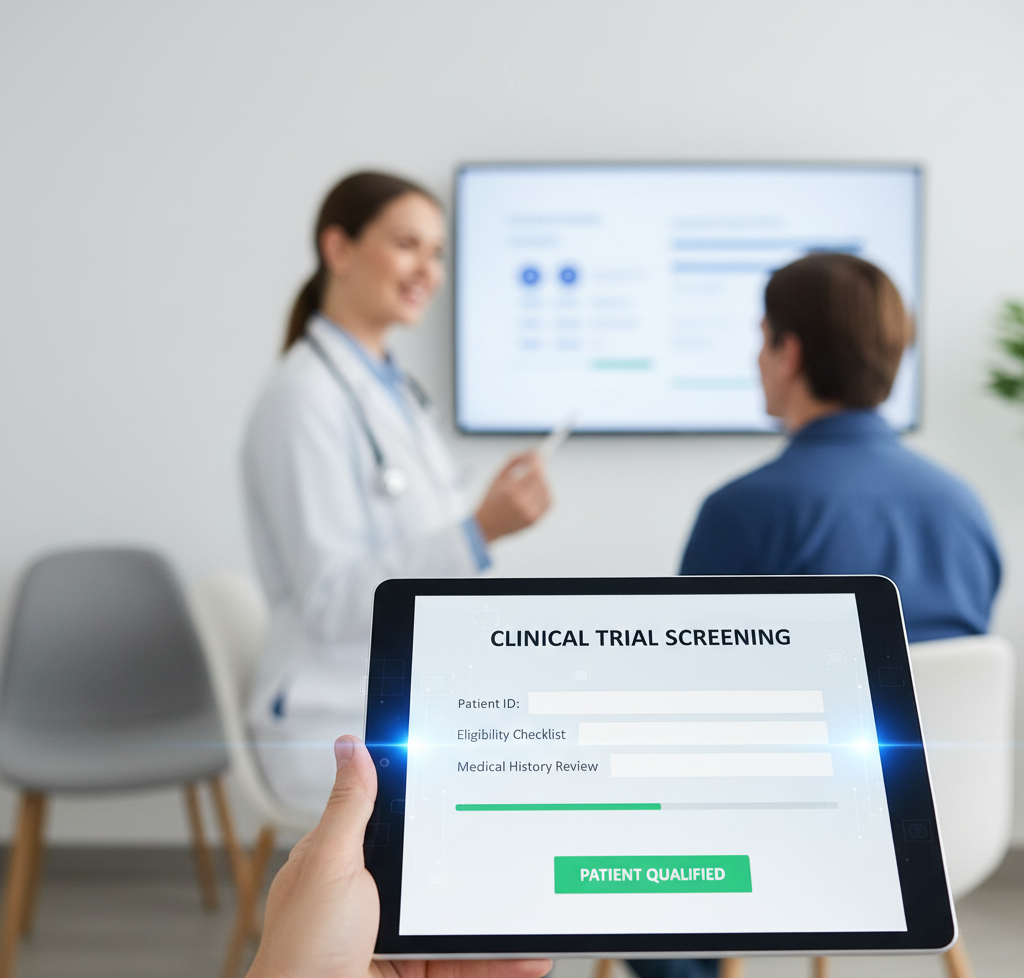
    Real-World Approach: Pre-Screening Before Site Visits

    An increasing number of organizations now help sites by conducting pre-screening checks before participants ever arrive at a clinic.

    For example, patient engagement platforms use online questionnaires and basic medical checks to identify likely eligible volunteers. These candidates are then referred to sites only after passing the first filter. This means site staff spend less time rejecting participants and more time confirming final eligibility.

    DecenTrialz is part of this ecosystem. Its approach involves pre-screening volunteers against trial criteria, covering demographics, condition, and other core factors, before they are referred to research sites. This ensures sites perform secondary screening only on a pool of already-likely-eligible candidates. The outcome is a smoother workflow for sites, higher-quality referrals for sponsors, and less frustration for patients.

    Conclusion: Smarter Pre-Screening, Stronger Trials

    High screen failure rates have long been a costly challenge in clinical trials. But with the rise of AI-driven eligibility tools, EHR integrations, and automated pre-screening workflows, sites are now better equipped to reduce wasted visits, speed up recruitment, and improve participant experiences.

    For sponsors, these advances translate into stronger site credibility, cleaner data, and faster study timelines. For patients, it means less disappointment and more meaningful engagement.

    Smarter pre-screening is not just a technical improvement. It is a strategic shift that benefits everyone involved in clinical research.

    FAQ

    What is pre-screening in clinical trials?
    Pre-screening is the process of checking basic eligibility before a participant is invited to a formal site screening visit. It typically involves online questionnaires, phone calls, or health record reviews.

    How does technology reduce screen failures?
    Technology automates eligibility checks, integrates with health records, and applies criteria consistently. This reduces errors and ensures only the right participants move forward.

    Why do sponsors care about pre-screening efficiency?
    Efficient pre-screening lowers costs, reduces delays, and increases confidence in trial data. Sponsors prefer sites that demonstrate reliable recruitment performance.

    What is the difference between pre-screening and secondary screening?
    Pre-screening happens first and uses basic criteria to filter participants remotely. Secondary screening takes place at the site and involves detailed tests and assessments before enrollment.

  • Hope in Research: How Clinical Trials Are Transforming Rare Disease Treatment

    Hope in Research: How Clinical Trials Are Transforming Rare Disease Treatment

    Every day can seem like an uphill climb with many unsolved questions for someone who has a rare disease. It frequently takes years to find a proper diagnosis, available treatments, and emotional support. Finding qualified medical professionals or specialized care is made even more difficult by the fact that many rare diseases only affect a small percentage of people worldwide. In addition to geographic isolation, patients and their families may experience a lack of research and public awareness regarding their condition.

    However, there is still hope. Researchers, medical professionals, and patient groups are working together to rewrite the story all over the world. Rare disease clinical trials, which are meticulously planned studies that test novel treatments, therapies, and supportive care techniques for conditions that were previously believed to be incurable, are among the most promising and transformative avenues for the future. These trials represent resiliency and teamwork in addition to being a source of medical innovation.

    Patients at the Heart of the Process

    Rare disease trials present a special challenge in recruiting participants. Patients with rare diseases are frequently dispersed throughout several nations and even continents, in contrast to more common conditions where sizable patient pools are available. Although this geographic dispersion can make outreach challenging, it has also spurred creative solutions.

    To find and get in touch with possible participants, a lot of research sponsors work closely with patient advocacy organizations. These groups, which are frequently started by disease-affected patients or their families, offer important insights into the needs and priorities of patients. They aid in bridging the gap between the lived experiences of individuals who are directly impacted and scientific research.

    Being a part of these networks is more than just a recruitment step for patients and their families; it’s a lifeline. Advocacy groups frequently assist patients in navigating eligibility requirements, offer peer communities as emotional support, and provide educational materials regarding the trial process. This advice can turn what could otherwise seem like a frightening medical procedure into a cooperative experience, guaranteeing that participants feel empowered and informed throughout.

    Making Trials Easier to Join

    Researchers are aware that patients may be discouraged from taking part in clinical trials due to practical issues like travel distance, expense, and time away from family or work. For patients with rare diseases, who may already be balancing complicated care regimens and specialist visits, these obstacles can be especially important.

    Sponsors may provide: Travel reimbursement, if available, to alleviate patients’ and caregivers’ financial burdens, depending on the study.

    In certain situations, stipends or compensation are given to make up for lost wages or other costs.When possible, medical professionals will visit patients at home for specific tests or procedures, eliminating the need for frequent trips to the clinic.In certain situations, doctors can use remote monitoring technologies to track side effects and progress in real time without having to travel constantly.

    By guaranteeing that patients from various locations and backgrounds can participate, these actions not only facilitate participation but also advance inclusivity. By centralizing participant support and trial information, DecenTrialz helps people find opportunities that fit their needs without having to spend weeks looking. The research site always handles informed consent and final eligibility checks.

    Safety and Privacy Come First

    It makes sense that safety and privacy would be the top concerns for patients thinking about participating in a clinical trial. Like all clinical research, rare disease studies are subject to stringent ethical and legal requirements. An independent committee charged with safeguarding the rights and welfare of participants, known as an Ethics Committee in other countries or an IRB in the United States, reviews each trial.

    Furthermore, confidentiality of all personal health information is guaranteed by adherence to the Health Insurance Portability and Accountability Act (HIPAA). Participants can rest assured that their medical information will be securely stored and handled in accordance with the consent form.

    In addition to regulations, contemporary trials frequently incorporate additional safety measures like round-the-clock medical hotlines, thorough informed consent procedures, and frequent health check-ins. These steps assist researchers in keeping an eye on patient safety throughout the entire process.

    New Treatments Through Orphan Drug Development

    Orphan drug development has been a key factor in the advancement of rare disease research. According to the Orphan Drug Act, orphan drugs are made especially for illnesses that only affect a small patient population, usually less than 200,000 people in the United States. Because of the low commercial return, pharmaceutical companies have historically been hesitant to invest in such treatments. But the field has changed as a result of specific government incentives, tax credits, and scientific discoveries.

    These days, highly individualized and successful treatments are being made possible by orphan drugs. These therapies are sometimes the first authorized treatments for certain conditions, giving patients a chance at a better quality of life where none previously existed.

    Even though not every trial results in a medication that is ready for the market, each one provides important information about the course of the disease, patient reaction, and possible treatment strategies. This body of knowledge speeds up development and creates opportunities for new inventions over time. Before taking part in a trial, talk to your doctor about the risks and potential lack of direct personal benefit.

    Finding Opportunities to Participate

    The emergence of technology-driven trial matching platforms is one of the most empowering changes in clinical research. Patients can now find out about research opportunities without having to rely entirely on their physicians. People can now look for trials that fit their condition, medical history, and even personal preferences like location or travel restrictions thanks to safe online resources.

    By centralizing trial listings and providing patient-friendly search tools, organizations and platforms like DecenTrialz are assisting in streamlining this process. Finding relevant studies, whether hospital-based, hybrid, or fully decentralized, is facilitated and expedited by these resources.

    A Step Toward Hope 

    Enrolling in a clinical trial for a rare disease is not only a personal choice; it is also a way to support the community of patients, families, and researchers who are trying to find better cures and treatments. Even if there isn’t an immediate breakthrough from the trial, each volunteer’s experience helps shape the future of care.

    Although the path with a rare disease is lengthy and unpredictable for many, clinical trials provide a feeling of purpose and direction. The idea of a better tomorrow gets closer to reality with every study that is started, patients that are enrolled, and discoveries that are made.

    Clinical trials for rare diseases are tales of tenacity, willpower, and hope that go beyond simple scientific research. They also act as a reminder to those who are still looking for answers that change frequently starts with tiny but significant advancements and that progress is achievable.

  • Clinical Trial Compliance: Essential Practices Every Site Must Follow

    Clinical Trial Compliance: Essential Practices Every Site Must Follow

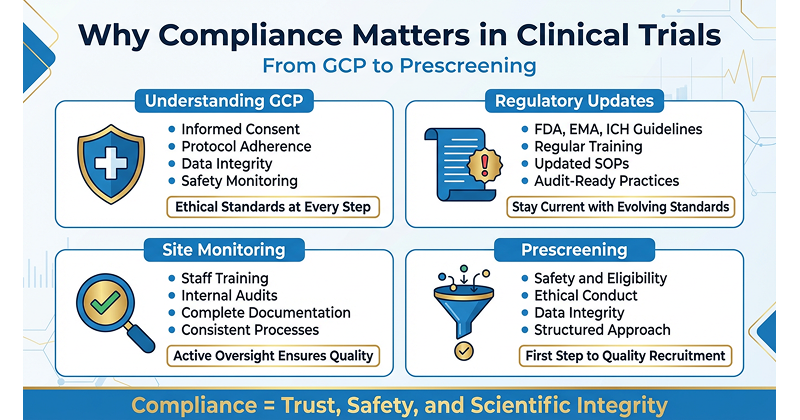
    Compliance is the backbone of ethical and successful clinical trials. Every research site needs to follow compliance standards to protect participants and produce trustworthy results. When guidelines are followed step by step, participants remain safe, data stays reliable, and the site earns trust. On the flip side, faults in compliance can put patients at risk, damage data quality, and harm a site’s reputation.

    Understanding Good Clinical Practice (GCP)

    At the center of compliance in clinical trials are Good Clinical Practice (GCP) guidelines. These international ethical and scientific standards set the rules for designing, conducting, recording, and reporting clinical studies. They show how a trial should be managed to safeguard participants and ensure reliable data.

    Key principles of GCP include:

    Informed Consent: Participants must willingly agree to join after understanding the purpose, process, risks, and potential benefits of the trial.

    Protocol Adherence: Stick to the trial protocol without making unauthorized changes. The protocol is the study’s blueprint, and following it ensures scientific integrity.

    Data Integrity: Data must be recorded accurately and fully. Each observation and outcome needs to be documented so findings are dependable and verifiable.

    Safety Monitoring: Watch participant health carefully and report adverse events quickly to identify risks early and respond promptly.

    Regulators worldwide expect strict GCP compliance, but more importantly, it’s about doing right by the participants.

    Staying Up-to-Date with Regulations

    Clinical trial regulations are constantly evolving. As science advances and new challenges surface, requirements shift. Research sites must stay alert and adapt to keep up.

    This involves tracking updates from authorities such as the FDA, EMA, ICH, and local regulators, then adjusting practices accordingly. New requirements may affect privacy, data handling, or reporting standards. To stay compliant, sites should review bulletins regularly, attend workshops, and update their Standard Operating Procedures (SOPs) and training materials when needed. Keeping pace with regulations ensures sites remain aligned with current expectations.

    Site-Level Compliance Monitoring

    Even with solid plans, everyday operations require oversight. Site-level monitoring means catching and correcting problems before they escalate.

    Training & Procedures: Staff must be well-trained in GCP, the trial protocol, and site SOPs. Ongoing refreshers keep them current.

    Internal Audits: Conduct periodic audits of records and processes. For instance, check that consent forms are properly signed and that data entries match source documents. These checks identify issues like missing records or protocol deviations early.

    Thorough Documentation: Ensure trial records are complete and updated. If it isn’t documented, it didn’t happen.

    By monitoring closely, sites create a culture of quality and preparedness. External audits then become smoother, with fewer surprises. Most importantly, it safeguards participants and protects the credibility of the research.

    The Importance of Ethical Standards

    Ethics drive clinical research, and compliance is how those ethics come alive in practice. Areas like participant protection, informed consent, and transparency highlight the connection between the two.

    Participant Protection: Trials must prioritize the rights and well-being of participants. Continuous monitoring and ethics board oversight help reduce risks, and if serious concerns arise, ethical sites act immediately.

    Informed Consent: Beyond being a legal requirement, informed consent is an ethical obligation. Using approved forms and plain language helps participants truly understand the study. They should know their participation is voluntary and that they can withdraw at any time.

    Data Transparency: Honesty is crucial in research. Compliance means reporting results truthfully, avoiding data manipulation, and following requirements to register and publish trial outcomes. This openness builds trust with the public.

    Adhering to ethical principles through compliance ensures participant protection and data credibility, while also maintaining public confidence in clinical trials.

    Pre-screening Compliance

    Prescreening is the first step in identifying potential participants, usually by checking basic eligibility criteria before enrollment. Done correctly, it speeds up recruitment, but it must remain accurate and ethical.

    Why compliance matters in prescreening:

    Safety and Eligibility: Only participants who meet the criteria should proceed. This protects individuals from unsafe interventions.

    Ethical Conduct: Since prescreening happens before formal consent, sites must use IRB-approved scripts, collect only necessary data, and ensure participants know this step is voluntary and confidential.

    Data Integrity: Accurate prescreening prevents the wrong candidates from enrolling, avoiding protocol violations and unreliable results.

    Platforms like DecenTrialz help sites manage this prescreening process while staying aligned with GCP and compliance requirements. This reduces rejections later, ensures only eligible volunteers advance, and makes trial operations smoother and more efficient.

    From GCP to prescreening, compliance runs through every layer of a clinical trial. It’s not about ticking boxes,it’s about protecting participants and maintaining the quality of science.

    For research sites, strong compliance means credibility. Regulators and sponsors recognize high standards, and participants are more likely to trust ethical sites. Ultimately, compliance forms the foundation for every responsible trial, allowing new treatments to be tested safely while earning and keeping public trust.