Category: Advocacy Groups

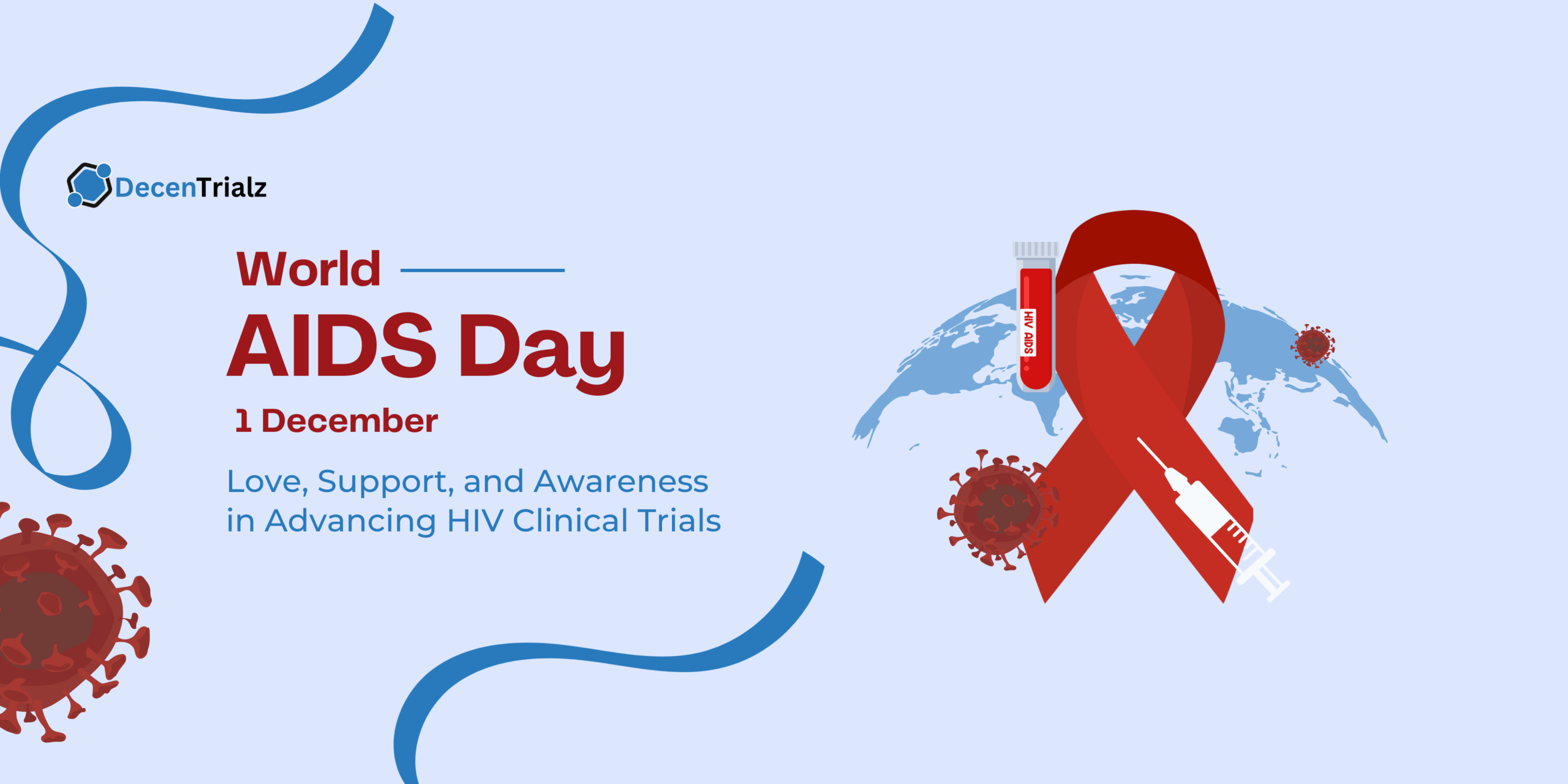
  • World AIDS Day 2025: Awareness, Remembrance, and Hope for a Stronger Future

    World AIDS Day 2025: Awareness, Remembrance, and Hope for a Stronger Future

    World AIDS Day 2025 is a moment for people across the world to pause, reflect, and stand in solidarity with everyone affected by HIV. Observed on December 1, the day is not about celebration. Instead, it serves as a reminder of compassion, awareness, and the ongoing need for action. Some may still come across phrases like “Happy World AIDS Day,” but the intention behind them is usually to send strength and hope. This day encourages learning, reduces stigma, and reminds us that while HIV remains a global challenge, progress and resilience continue to shape a better future.

    For those who are learning for the first time and wonder what is AIDS Day, it is the world’s first global health awareness day created to bring attention to the impact of HIV and AIDS, support those living with the condition, and remember the millions of lives lost. The day encourages open conversations, reduces stigma, and reminds the world that HIV is still a reality, but so is progress.

    World AIDS Day 2025 Theme: Overcoming Disruption, Transforming the AIDS Response

    In 2025, the World Health Organization (WHO) released the theme “Overcoming disruption, transforming the AIDS response.” As shared on the official WHO page the world stands at a critical moment. Many communities face disrupted HIV services and rising vulnerabilities. Years of progress risk slowing down if strong action is not taken.

    WHO highlights the need for sustained political leadership, international cooperation, and human rights centered approaches. UNAIDS also stresses the impact of inequalities and the importance of rebuilding stronger and fairer health systems.

    The 2025 theme encourages the world to rebuild systems that have been disrupted and to transform the HIV response into one that is stronger, more inclusive, and more resilient.

    What Is AIDS Day?

    For many people, asking what is AIDS Day is a way of seeking clarity about why this day still matters. World AIDS Day was established in 1988 to increase awareness, expand education, support those living with HIV, and challenge stigma. It encourages individuals, communities, healthcare workers, and governments to share accurate information and promote prevention and testing.

    It is a day to learn, reflect, and support. It reminds the world that HIV can affect anyone, and that understanding and empathy play a key role in creating healthier communities.

    Why Is World AIDS Day Important?

    Understanding why World AIDS Day is important means looking at both progress and ongoing challenges. Today, HIV treatment allows people to live long and healthy lives. Prevention tools such as PrEP are widely available. Testing has become easier and more accessible. Scientific research continues to move forward.

    Yet, the world still faces challenges.

    • Many people do not know their HIV status
    • Stigma and discrimination stop people from seeking care
    • Access to treatment is unequal in many regions
    • HIV services are disrupted in countries facing conflict or economic instability
    • Research needs consistent investment and support

    This is why AIDS awareness day continues to be meaningful every year. It keeps HIV in public conversation in a way that encourages compassion instead of fear. The 2025 theme highlights the need to overcome disruptions and build stronger responses for everyone, especially for communities that are often left behind.

    A Story of Hope: Timothy Ray Brown, the First Person Cured of HIV

    One of the most inspiring stories connected to World AIDS Day is that of Timothy Ray Brown, also known as the “Berlin Patient.” His experience changed the world’s understanding of what may be possible for HIV treatment.

    Timothy was diagnosed with HIV in the 1990s. Years later, he was diagnosed with acute myeloid leukemia, a life threatening cancer. During his treatment, his medical team chose a stem cell donor with a rare genetic mutation known as CCR5 delta 32, which makes certain immune cells naturally resistant to HIV.

    The procedure was extremely difficult. Timothy went through two stem cell transplants and faced severe complications. However, a remarkable outcome followed. HIV disappeared from his body. He stopped taking HIV medication, and the virus did not return.

    Timothy became the first person in history cured of HIV.

    He later chose to reveal his identity publicly so people around the world could feel hope. His courage encouraged many researchers to continue exploring cure related strategies. His journey inspired new scientific studies and gave people living with HIV a powerful message that progress is possible. Timothy passed away in 2020 from leukemia complications, not from HIV, but his legacy remains one of the strongest symbols of hope and resilience.

    World AIDS Day 2025: Moving Forward Together

    The 2025 theme invites the world to rebuild what has been disrupted and transform the HIV response into something stronger and more inclusive. To move forward, global efforts must continue to focus on:

    • Accessible testing
    • Wider access to HIV treatment
    • Prevention tools such as PrEP
    • Education that reduces myths and misinformation
    • Cure focused research inspired by stories like Timothy’s
    • Support systems that protect dignity and human rights

    By reducing inequalities and strengthening cooperation, the global community can move closer to the shared goal of ending AIDS by 2030.

    Standing Together

    Whether you are joining this conversation for the first time or have supported HIV awareness efforts for many years, your presence matters. AIDS awareness day is a reminder that hope grows stronger when people stand together, learn together, and support one another.

    World AIDS Day 2025 encourages us to look at the challenges honestly and respond with empathy, science, and unity. As we reflect on the lives affected by HIV and honor individuals like Timothy Ray Brown, we remember that change is possible and that every small step helps move the world toward a healthier future.

    Ending AIDS is a global effort, and together, we can make it a reality.

  • Global Clinical Trials Collaboration: Overcoming Cross-Border Challenges

    Global Clinical Trials Collaboration: Overcoming Cross-Border Challenges

    Global clinical trials collaboration is more than a scientific necessity, it is a humanitarian one. Diseases do not stop at borders, and neither should the research that seeks to prevent, treat, or cure them. When research teams, advocacy groups, regulators, and communities across countries work together, the result is faster progress, more diverse participation, and treatments that are relevant to people worldwide.

    But the road to effective global clinical trials collaboration is not simple. From navigating multiple regulatory systems to overcoming cultural and logistical barriers, the challenges are real. For advocacy groups, understanding these obstacles and the strategies being developed to address them is essential for guiding communities toward greater participation in clinical research.

    This article explores the barriers to international trial recruitment, strategies for regulatory harmonization, the role of advocacy partnerships, and what the future may hold for cross-border research.

    Barriers to Global Trials

    Running a clinical trial across multiple countries can feel like managing several puzzles at once. Each piece is important, but fitting them together requires careful coordination. Some of the most common barriers include:

    • Regulatory differences: Every country has its own rules for clinical research approvals. These differing timelines and requirements can slow studies down.
    • Logistical complexity: Coordinating supplies, data collection, and monitoring across different locations requires significant resources and reliable communication.
    • Cultural and language barriers: Materials that are effective in one region may not resonate in another, which can hurt recruitment and retention.
    • Awareness gaps: Many communities never hear about trials that could benefit them, leaving important studies short of their recruitment targets.

    These barriers do more than cause delays; they can limit who has access to trials and make it harder for results to reflect real-world populations.

    Harmonization Strategies

    The solution to these challenges lies in regulatory harmonization. Aligning processes ensures that research can move smoothly across borders while still respecting local requirements.

    Some proven approaches include:

    • Mutual recognition agreements: Regulators in different countries agreeing to honor each other’s reviews to reduce duplication.
    • Standardized data formats: Using compatible systems so results can be combined and compared more easily.
    • Shared ethical frameworks: Adopting global standards like ICH-GCP to ensure participant safety everywhere.
    • Technology-driven integration: Using secure digital platforms to allow real-time communication and data exchange across regions.

    When harmonization works, global clinical trials collaboration leads to faster launches, stronger results, and more equitable access.

    Advocacy Partnerships

    For advocacy groups, global collaboration opens up new opportunities but it also creates responsibilities. Communities rely on advocacy leaders to explain trials clearly, address concerns, and ensure that opportunities feel relevant and trustworthy.

    By engaging directly in global clinical trials collaboration, advocacy groups can:

    • Share accurate, culturally appropriate information with their communities.
    • Provide education that helps people understand both the risks and benefits of research.
    • Build trust with underserved or historically excluded groups.
    • Encourage retention by supporting participants during the study, not just at enrollment.

    Advocacy groups can better share trial opportunities with their communities by exploring studies listed on platforms like DecenTrialz and then communicating those opportunities through their own channels in a way that best supports their audiences.

    This approach ensures transparency, builds trust, and helps connect people to research opportunities that align with their health needs.

    The future of cross-border research is both exciting and hopeful. As technology, regulatory cooperation, and advocacy networks continue to grow, clinical trials are becoming more inclusive and efficient.

    Here is what to expect in the coming years:

    • International trial recruitment will increasingly rely on digital platforms that connect participants to opportunities regardless of geography.
    • Cross-border research will benefit from the expansion of decentralized tools like eConsent and remote data capture, which reduce the need for frequent travel.
    • Regulatory harmonization will become more common, helping sponsors and CROs launch trials faster while still protecting participant rights.
    • Advocacy partnerships will play an even greater role, ensuring that diverse communities are not only invited to join but also supported throughout their participation.

    Together, these developments promise a world where global clinical trials collaboration is stronger, more representative, and more impactful.

    Global clinical trials collaboration is not just about science, it is about equity, access, and progress for everyone. Advocacy groups have a central role to play, guiding communities through opportunities, breaking down barriers, and ensuring that people are not left out of research that could change lives.

    By building strong partnerships, embracing harmonization strategies, and using tools like DecenTrialz to make trials more accessible, advocacy leaders can help shape a future where cross-border research thrives. The result is not only faster medical progress but also a fairer and more inclusive healthcare system for generations to come.

  • Patient Advocacy and AI: Connecting Communities to Trials

    Patient Advocacy and AI: Connecting Communities to Trials

    Patient advocacy and AI are transforming how people discover, understand, and join clinical trials. Every new treatment begins with individuals and families who decide to take part in research, often motivated by the chance to improve healthcare for others as well as themselves.

    Advocacy groups help make this possible. They translate complex scientific information into something patients can understand and trust. They explain what clinical trials are, how participation works, and what potential benefits and risks exist. For many people, advocates are the first link between curiosity and confident participation.

    Still, many who could qualify for research never hear about these opportunities. Finding the right trial, meeting eligibility criteria, and feeling comfortable enough to participate can be challenging. That is where responsible technology plays a role.

    When used thoughtfully, patient advocacy and AI together help connect people to the studies that matter to them, improve outreach efforts, and make clinical research more inclusive.

    1. The Real Role of Advocacy in Clinical Research

    Advocacy ensures that patient voices are included in every stage of medical research.

    Advocates raise awareness, support families, and help researchers understand what matters most to patients. They also make trial information easier to grasp by simplifying complex terms and explaining the process clearly.

    Without these groups, clinical research would remain difficult for many to access. Advocacy gives people the confidence to explore options that might otherwise seem out of reach.

    2. Why Many Communities Still Miss Out

    Even with progress in digital communication, there are still barriers that prevent patients from joining trials.

    Some of the most common challenges include:

    • Limited awareness: Many patients never learn that studies exist or that they qualify.
    • Accessibility: Research centers are often located far from smaller communities.
    • Complex language: Technical terminology can discourage participation.
    • Mistrust: Concerns about data use and privacy still affect decision-making.

    Addressing these issues requires more than just technology; it takes cooperation between advocacy groups, researchers, and healthcare professionals to reach people where they are.

    3. How Technology Supports Advocacy

    Modern data systems can help advocacy organizations work more efficiently without losing their personal touch.

    Patient advocacy and AI together can identify where certain health conditions are more common, track studies that are currently recruiting, and organize this data for easy sharing.

    Instead of manually searching through multiple registries, advocates can use technology to quickly find accurate information and guide patients to appropriate trials. AI handles data management while people focus on relationships and communication.

    4. Making Clinical Information Easy to Understand

    Scientific details can often feel overwhelming. Terms such as “randomized,” “double-blind,” or “placebo-controlled” can make clinical trials sound complicated or intimidating.

    AI-based tools can help simplify this information by creating summaries or visual explanations that clearly describe who the study is for, where it takes place, and what participation involves.

    When information is simple and transparent, patients are more likely to ask questions, talk to their doctors, and make decisions confidently.

    5. Using Data to Improve Diversity in Research

    Diversity in clinical research ensures that medical findings apply to everyone. Studies that include participants from different backgrounds provide more accurate, meaningful results.

    AI can analyze enrollment patterns and identify underrepresented populations. Advocacy groups can use these insights to plan outreach in areas where awareness or access is low.

    By aligning patient advocacy and AI, research becomes more balanced and representative of the real world.

    6. Building Trust Through Transparency

    Trust is the foundation of clinical participation. Patients need to know that their data is protected and used responsibly.

    Advocacy groups can strengthen that trust by working with technology platforms that prioritize data security and compliance. Explaining how information is collected, stored, and used helps patients feel more comfortable sharing it.

    Clear communication keeps participants informed and reassured throughout the process.

    7. The Role of DecenTrialz

    At DecenTrialz, our goal is to make research more accessible and transparent for everyone.

    The platform connects advocacy groups, Sponsors, and research sites through verified data and reliable search tools. It simplifies how communities find active studies and helps research teams identify where additional outreach is needed.

    By combining the strengths of patient advocacy and AI, DecenTrialz is helping research partners build stronger, faster, and more inclusive connections.

    8. Looking Ahead

    As healthcare continues to evolve, patient advocacy and AI will remain central to making research more inclusive and efficient.

    Technology can manage data, predict needs, and simplify complex information, but people are the ones who turn that information into meaningful progress.

    When advocates, researchers, and technology teams work together, clinical trials become easier to access, easier to understand, and more representative of the communities they serve.

    Progress in clinical research depends on collaboration. Researchers bring science and structure, while advocacy groups bring awareness and understanding.

    When these efforts come together with the support of responsible technology, clinical trials reach more people and deliver better outcomes.

    At DecenTrialz, we continue to focus on making research participation simpler, safer, and more connected for everyone involved.