Tag: clinical trial operations

  • SCOPE 2026 Clinical Trial Planning Operations: Beyond the Buzzwords Shaping Modern Clinical Research

    SCOPE 2026 Clinical Trial Planning Operations: Beyond the Buzzwords Shaping Modern Clinical Research

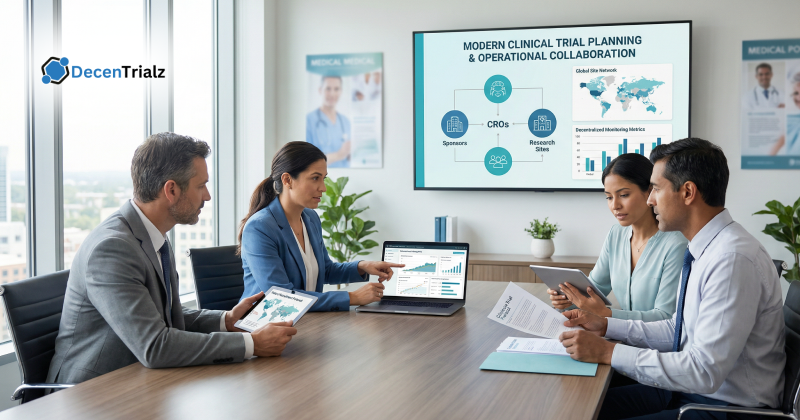
    SCOPE 2026 clinical trial planning operations discussions began the way many modern trials do, with a room full of stakeholders trying to align complex systems, timelines, and expectations. During the SCOPE Summit 2026 (February 2–5 in Orlando), a sponsor operations leader described the challenge of coordinating decentralized patient visits across multiple regions. Nearby, a CRO strategist explained how AI tools were helping forecast enrollment risk before a trial even launched. At another table, research site leaders discussed the growing pressure of adopting multiple sponsor technologies at once.

    These conversations captured the real value of the conference.

    The SCOPE Summit remains one of the largest gatherings of clinical research professionals, bringing together sponsors, CROs, research sites, technology providers, and clinical operations leaders focused on improving trial execution. Insights shared during this year’s summit highlighted a significant shift in how clinical trials are planned, staffed, and managed across global research ecosystems.

    Industry coverage from Applied Clinical Trials noted that discussions around SCOPE 2026 clinical trial planning operations reflect a broader transformation within the industry. Clinical trials are becoming more decentralized, increasingly data-driven, and significantly more patient-focused while requiring stronger collaboration between sponsors, CROs, and research sites.

    For clinical operations teams, the summit provided practical insights into how modern trials must evolve to remain efficient, scalable, and patient-centered.

    Key Themes From SCOPE 2026 Clinical Trial Planning Operations

    One of the most prominent themes emerging from SCOPE 2026 was the continued evolution of decentralized clinical trial models.

    Decentralized trials, often called DCTs, were once considered experimental. Today, hybrid approaches that combine traditional site visits with remote monitoring and telehealth participation are becoming standard practice in many research programs.

    Industry experts emphasized that decentralized trial operations help address one of the most persistent barriers in clinical research: patient access. Many patients interested in participating in trials live far from major research centers. Remote participation tools, wearable devices, and digital engagement platforms allow sponsors to expand recruitment beyond geographic limitations.

    However, conference discussions also highlighted that decentralized trials require thoughtful operational planning. Sponsors must ensure remote data collection remains compliant with regulatory expectations while maintaining strong coordination between sites, patients, and trial management teams.

    Artificial intelligence also emerged as a major theme within SCOPE 2026 clinical trial planning operations sessions.

    AI technologies are now being applied across multiple operational areas, including protocol design, recruitment forecasting, risk-based monitoring, and trial performance analytics. These systems allow sponsors and CROs to analyze historical study data and identify potential enrollment challenges earlier in the planning phase.

    Several SCOPE sessions explored emerging AI tools in greater detail. Discussions included “Agentic AI oversight co-pilots” designed to detect protocol deviations and operational anomalies, as well as AbbVie’s Project Magellan, which uses graph-based data environments to digitize and connect clinical development documentation.

    Industry collaborations such as TransCelerate BioPharma are also exploring how advanced analytics and shared data models can improve operational efficiency across the clinical trial ecosystem.

    While AI adoption is accelerating, experts stressed that governance frameworks, validation standards, and regulatory oversight remain essential to ensure trustworthy implementation.

    Patient-centric trial design was another important topic highlighted at the summit.

    Sponsors are increasingly recognizing that clinical trials must align with real-world patient needs. Protocol complexity, frequent travel requirements, and rigid visit schedules often discourage participation and increase dropout risk.

    To address these challenges, many organizations are involving patient advocacy groups and advisory panels earlier in the protocol design process. By incorporating patient feedback into eligibility criteria, visit schedules, and communication strategies, sponsors can improve recruitment outcomes while also enhancing the overall trial experience.

    What Sponsors and CROs Are Prioritizing in Clinical Trial Planning 2026

    Another key focus during SCOPE 2026 clinical trial planning operations discussions involved how sponsors and CROs are adjusting their operational strategies for upcoming studies.

    Recruitment efficiency remains one of the largest drivers of trial timelines and development costs. Enrollment delays continue to affect a significant percentage of clinical trials, forcing sponsors to amend protocols or extend study timelines.

    To address this challenge, organizations are investing in more sophisticated recruitment strategies. These include predictive analytics for identifying eligible patient populations, broader geographic site networks, and improved digital outreach to potential participants.

    Digital infrastructure also plays a central role in modern clinical trial planning 2026 strategies.

    Operational teams are increasingly adopting integrated systems that support electronic consent, remote monitoring, centralized data capture, and real-time performance analytics. These tools provide clinical operations teams with earlier insights into recruitment trends, site activity, and patient engagement metrics.

    Another theme discussed frequently during the summit was global collaboration across research teams.

    Modern clinical trials often span multiple regions and involve numerous operational partners. Sponsors, CROs, and sites must coordinate across regulatory environments, healthcare systems, and cultural contexts.

    Improved collaboration platforms and shared data environments are becoming essential tools for maintaining communication, transparency, and operational alignment across global trial networks.

    Site Readiness Clinical Trial Challenges Revealed at SCOPE

    One of the most candid discussions during SCOPE 2026 clinical trial planning operations sessions focused on the growing gap between sponsor expectations and site capabilities.

    As sponsors deploy advanced digital trial technologies, research sites must adapt to increasingly complex operational workflows.

    Site leaders described a common challenge: technology overload.

    Coordinators frequently manage multiple sponsor systems simultaneously, each requiring separate training, logins, and reporting processes. This fragmented technology environment can increase administrative burden and reduce operational efficiency at the site level.

    Infrastructure readiness was another major concern.

    Many research sites are now expected to support remote monitoring platforms, digital consent systems, wearable device data streams, and advanced reporting tools. While these technologies can improve trial efficiency, they also require additional training, technical support, and operational investment.

    Workforce sustainability was also highlighted as an industry concern.

    Clinical research coordinators are facing growing workloads as protocols become more complex and regulatory documentation requirements increase. Without adequate operational support, site teams may struggle to maintain performance across multiple concurrent studies

    Operational Takeaways for Teams Running Trials Today

    Beyond high-level strategy discussions, SCOPE 2026 clinical trial planning operations insights also offered practical guidance for teams managing active trials today.

    One key recommendation involves improving protocol design.

    Highly complex protocols often create operational challenges for sites and participants. Sponsors that collaborate with investigators and site leaders during protocol development can identify feasibility issues earlier and simplify study procedures before trials launch.

    Strengthening site engagement was another major takeaway.

    Research sites remain central to trial execution, yet they are often included late in operational planning. Early collaboration during feasibility assessments and protocol design can significantly improve recruitment outcomes and reduce operational friction during trial execution.

    Enhancing the patient experience is also becoming a central operational priority.

    Flexible visit schedules, remote participation options, and clear communication throughout the trial lifecycle can improve both recruitment and participant retention.

    Finally, data-driven trial planning continues to transform modern clinical operations.

    Advanced analytics tools allow sponsors to predict recruitment timelines, evaluate site performance, and adjust trial strategies based on real-time operational data. These capabilities enable more proactive decision-making throughout the clinical trial lifecycle.

    DecenTrialz is built for the future of clinical operations. See how our platform supports the strategies highlighted at SCOPE 2026.

    Conclusion

    The insights emerging from SCOPE 2026 clinical trial planning operations sessions highlight a clear transformation underway across the clinical research industry.

    Decentralized trial models are expanding access to participation. Artificial intelligence is improving recruitment forecasting and operational efficiency. Sponsors and CROs are strengthening digital infrastructure and global collaboration strategies. At the same time, research sites are adapting to evolving expectations around technology adoption and operational readiness.

    Together, these trends reflect a broader shift toward more technology-driven, patient-centric, and collaborative clinical trial ecosystems.

    For healthcare professionals, clinical operations teams, sponsors, CROs, and research sites, the lessons from SCOPE 2026 provide a roadmap for navigating the next generation of clinical research planning and execution.

    As the industry continues to evolve, the most important question may be this: how prepared are organizations to transform their clinical trial planning and operations strategies to support the future of modern research?


  • Clinical Trial Operations Reimagined: How Efficiency, Access, and AI Are Reshaping Sponsor and CRO Strategy

    Clinical Trial Operations Reimagined: How Efficiency, Access, and AI Are Reshaping Sponsor and CRO Strategy

    Clinical trial operations are entering a period of structural reassessment as sponsors and CROs confront rising costs, increasing protocol complexity, and growing demands for global execution.

    Operational budgets continue to rise across therapeutic areas as protocol amendments multiply, biomarker strategies expand, and multi-region coordination becomes standard. Recruitment pressure intensifies as eligibility criteria narrow and competition for specialized patient populations increases. At the same time, global regulatory variability introduces documentation burdens, inspection readiness complexity, and cross-border data governance challenges.

    Digital expectations are also accelerating. Sites expect streamlined systems and faster query resolution. Participants expect flexible engagement options, including remote interactions. Executive leadership expects real-time visibility into trial performance metrics.

    Traditional trial execution models, often reliant on fragmented vendors and manual oversight, are under strain. Clinical trial operations are therefore being reassessed not for incremental optimization, but for structural resilience and long-term sustainability.

    Why Clinical Trial Operations Are Being Reassessed

    The future of clinical operations is being shaped by compounding operational pressures.

    Escalating budgets remain a primary concern. Each protocol amendment triggers cascading consequences: revised submissions, retraining of site personnel, updates to monitoring plans, and enrollment delays. These changes extend timelines and introduce financial unpredictability.

    Trial execution models built around linear oversight workflows now struggle within global, adaptive environments. Sponsors operating across multiple jurisdictions must navigate evolving privacy frameworks, shifting inspection standards, and region-specific regulatory expectations.

    Vendor fragmentation compounds inefficiency. Clinical trial operations frequently span electronic data capture systems, clinical trial management systems, eConsent platforms, safety databases, wearable data feeds, and analytics dashboards. Without interoperability in clinical research, reconciliation delays and integration fatigue erode operational agility.

    The rise in rescue studies, estimated at approximately 20 percent in recent operational analyses, further highlights structural strain within traditional delivery models. CRO operational strategy is increasingly evaluated on predictive risk mitigation, early feasibility precision, and proactive oversight.

    This reassessment signals a broader shift in the future of clinical operations: sustainable execution requires architectural evolution, not incremental adjustment.

    Redefining Clinical Trial Efficiency Without Limiting Access

    Clinical trial efficiency has historically been measured by cost per patient, enrollment velocity, and database lock timelines. While these benchmarks remain relevant, narrow optimization can create unintended trade-offs.

    Consolidating recruitment within a small network of high-performing sites may accelerate milestones, but it can restrict patient access in clinical trials. Geographic concentration reduces representation and limits diversity across therapeutic studies.

    Similarly, aggressive cost controls may deprioritize emerging research centers that require enablement investment. Over-optimization for speed risks undermining long-term equity and inclusion goals.

    Modern trial performance metrics increasingly incorporate diversity benchmarks, retention indicators, and site activation timelines alongside financial metrics. Clinical trial efficiency must now be evaluated within a broader framework that considers patient access in clinical trials as a strategic objective rather than a secondary outcome.

    Clinical trial operations leaders must balance acceleration with equitable participation. Efficiency that narrows representation ultimately weakens data robustness and regulatory confidence.

    Decentralized and Hybrid Clinical Trials as Structural Capabilities

    Decentralized clinical trials and hybrid clinical trials have evolved into structural components of clinical trial operations.

    Remote visits, telehealth consultations, wearable monitoring devices, and home health integrations expand patient access in clinical trials. These approaches reduce travel burdens and may improve retention among geographically dispersed populations.

    However, operational integration remains complex. Wearable data must synchronize with traditional EDC systems. Telehealth documentation must align with regulatory compliance standards. Device logistics require cybersecurity safeguards and structured audit trails.

    Hybrid clinical trials, combining on-site assessments with remote engagement, often provide a balanced model. Rather than replacing physical sites, decentralized elements extend operational flexibility.

    The strategic challenge lies in integration. Treating decentralized capabilities as temporary overlays risks fragmentation. Embedding them into core trial execution models strengthens adaptability and supports long-term scalability.

    AI in Clinical Trial Operations as a Decision-Support Layer

    AI in clinical operations is increasingly embedded within feasibility modeling, enrollment forecasting, protocol optimization, and risk-based monitoring frameworks.

    AI-driven feasibility tools analyze epidemiological data, historical enrollment trends, and site performance patterns to support country and site selection. Predictive enrollment modeling enhances early-stage planning. Risk-based monitoring strategies align with regulatory guidance, including recommendations outlined in the FDA’s risk-based monitoring framework.

    Recent industry forecasts project AI reducing overall development timelines by up to six months through predictive protocol design, adaptive modeling, and faster scenario simulation. While outcomes vary across therapeutic areas, the operational impact of AI in clinical operations is becoming increasingly measurable.

    Importantly, AI serves as a decision-support layer—not a replacement for clinical teams. Clinical trial operations leaders retain accountability for oversight, validation, and final judgment.

    Governance is essential. Explainability, traceability, and audit readiness must accompany AI deployment. Industry discussions around AI governance in healthcare emphasize bias mitigation, structured validation protocols, and oversight accountability mechanisms.

    AI enhances insight generation. Human leadership ensures compliance and ethical integrity.

    Platform Thinking Versus Fragmented Tooling

    Fragmented technology stacks remain a persistent constraint in clinical trial operations.

    Disconnected systems create redundant data entry, reconciliation delays, and inconsistent reporting frameworks. Integration fatigue consumes operational bandwidth and complicates vendor management.

    Platform-based clinical trials represent an architectural shift. Platform thinking emphasizes centralized data layers, unified dashboards, and API-enabled connectivity across functional domains.

    Interoperability in clinical research becomes foundational rather than aspirational. Unified operational command centers allow sponsors and CROs to monitor trial performance metrics across regions and vendors in real time.

    Platform environments are also enabling the rise of living protocols. Structured data architectures support controlled protocol evolution informed by real-world evidence and AI-driven signal detection. Alignment with emerging harmonization standards from the International Council for Harmonisation, including ICH M11 protocol initiatives, reinforces movement toward standardized and digitally adaptable protocol frameworks.

    Living protocol execution requires interoperable systems capable of version control, amendment traceability, and audit tracking. Platform strategy is therefore inseparable from operational strategy.

    Workforce and Operating Model Implications

    The transformation of clinical trial operations carries significant workforce implications.

    AI fluency and data literacy are becoming core competencies. Clinical operations automation shifts emphasis toward analytical interpretation, governance oversight, and cross-functional coordination.

    CRO operational strategy is evolving toward integrated service models where data scientists, regulatory specialists, clinical leads, and technology teams collaborate more closely. Vendor management increasingly focuses on ecosystem orchestration rather than transactional oversight.

    Training investments and structured change management frameworks are critical. Digital transformation in clinical research delivers value only when operational teams are equipped to interpret AI outputs, manage hybrid trial environments, and maintain compliance standards.

    The future of clinical operations depends on workforce readiness as much as technological adoption.

    What Sponsors and CROs Should Prepare For

    Strategic preparation requires structured evaluation rather than reactive adoption.

    Sponsors should conduct comprehensive technology audits to identify integration gaps, duplicated platforms, and reporting inconsistencies. Platform evaluation must assess scalability, cybersecurity maturity, interoperability standards, and long-term governance compatibility.

    AI governance frameworks require clearly defined validation processes, documentation protocols, oversight accountability, and audit readiness structures. Transparent algorithmic logic strengthens regulatory confidence.

    Data transparency strategies are increasingly central to sponsor oversight models. As monitoring shifts toward continuous data-informed surveillance, governance structures must adapt accordingly.

    Ecosystem alignment will increasingly shape digital transformation in clinical research. Sponsors exploring structured collaboration approaches within evolving operational environments can review strategic considerations.

    Preparation is less about adopting every emerging technology and more about aligning architecture, governance, and workforce readiness around a cohesive operational model.

    Supporting Structured Clinical Trial Ecosystems

    Structured platforms that centralize publicly available clinical research information contribute to improved operational visibility, transparency, and ecosystem alignment.

    When sponsors, CROs, sites, and participants operate within aligned information environments, fragmentation is reduced. Transparency enhances trust. Structured visibility strengthens coordination and informed decision-making.

    Sustainable clinical trial operations increasingly depend on ecosystem clarity rather than isolated technology adoption. Alignment, governance, and shared visibility form the foundation of long-term operational resilience.

    Explore Strategic Approaches to Modern Clinical Trial Operations

    Clinical trial operations are being reshaped by efficiency pressures, decentralized capabilities, AI-supported decision systems, and platform-based integration.

    Leaders who balance clinical trial efficiency with patient access in clinical trials, integrate AI governance responsibly, and adopt interoperable platform architectures will be better positioned to navigate complexity without compromising inclusion or compliance.

    Explore strategic approaches to modern clinical trial recruitment

  • Unlocking Trial Efficiency Through a Unified Clinical Data Ecosystem

    Unlocking Trial Efficiency Through a Unified Clinical Data Ecosystem

    Unified clinical trial data ecosystem strategies are becoming essential as modern trials grow more complex. Protocols are more demanding, recruitment spans multiple channels, and decentralized models shift responsibilities far beyond the research site. Yet despite this evolution, many sponsors still rely on fragmented technology stacks that limit visibility, control, and operational speed.

    Individual platforms such as EDC (Electronic Data Capture), CTMS (Clinical Trial Management Systems), eConsent, RTSM (Randomization and Trial Supply Management), payment systems, and recruitment tools all serve important functions, but they often operate in isolation. This forces sponsors to navigate disconnected datasets, inconsistent reporting, and inefficient workflows that slow down enrollment and jeopardize trial quality.

    For sponsors aiming to improve oversight, reduce timelines, and enhance data accuracy, the path forward is clear. It is time to transition from standalone tools into a unified clinical trial data ecosystem that seamlessly connects recruitment, pre-screening, site follow-up, patient interaction, and compliance workflows.

    This is not simply about connecting systems. It requires true interoperability where data flows automatically, consistently, and intelligently across the entire clinical lifecycle.

    The Challenge: Disconnected Clinical Systems Are Creating Operational Blind Spots

    Even the most well-resourced sponsors struggle with disjointed systems. As trials expand globally, the lack of data flow between platforms like:

    • Electronic Data Capture (EDC)
    • Clinical Trial Management Systems (CTMS)
    • Randomization and Trial Supply Management (RTSM)
    • eConsent tools
    • Recruitment and pre-screening systems

    creates misalignment that slows decisions and increases costs.

    Tufts Center for the Study of Drug Development (Tufts CSDD) reports that almost 80 percent of clinical trials experience enrollment delays, often driven by operational inefficiencies and fragmented workflows rather than a lack of patient interest.

    The impact is significant.

    1. Data Silos Create Delays, Errors and Slow Decisions

    EDC, ePRO, CTMS, and recruitment tools rarely sync in real time. Sites frequently re-enter information across multiple systems, while sponsors must manually reconcile data to understand patient progress. This undermines the speed and accuracy needed for proactive decision-making.

    2. Maintaining Multiple Systems Drives Up Costs

    Each platform requires individual configuration, validation, IT support, and training. Sponsors often spend millions maintaining fragmented systems and still end up with inconsistent data.

    3. Poor Site and Patient Experience Reduces Engagement

    Sites may juggle several portals for scheduling, eConsent, eligibility, payments, and data entry. Patients often need separate logins for eConsent, ePRO, and communication tools. When systems are disconnected, engagement drops and retention risk increases.

    4. Regulatory Compliance Becomes More Difficult

    When systems are disconnected, maintaining clear documentation, consistent participant records, and dependable audit trails becomes challenging for sponsors. Data scattered across multiple tools makes it harder for teams to track actions, verify information, and stay operationally prepared. A unified ecosystem brings these elements together, offering structured workflows, cleaner documentation, and centralized visibility that strengthens overall oversight, even when individual platforms are not designed as certified regulatory systems.

    Where the Real Bottleneck Begins: Recruitment, Pre-Screening and Site Follow-Up

    One of the biggest pain points for sponsors is the early patient journey. Even well-funded trials struggle with:

    • unclear lead-to-enrollment ratios
    • dropped or untracked referrals
    • duplicate pre-screening
    • inconsistent communication from sites
    • misaligned data about patient status
    • manual handoffs between recruitment vendors, nurse teams and sites

    Sponsors need a unified recruitment data clinical trials approach that connects every stage of the patient flow and provides real-time transparency into funnel performance.

    This is where a unified clinical trial data ecosystem becomes transformative.

    The Solution: A Unified Clinical Trial Data Ecosystem

    To overcome disconnected systems, sponsors must adopt a unified ecosystem where all teams operate within a harmonized data environment. The goal is not simply integrating tools. The goal is achieving full interoperability.

    Here is the difference:

    IntegrationInteroperability
    Systems connect through custom-built APIsSystems function as one ecosystem by design
    Requires manual reconciliationEliminates manual reconciliation
    Data flow delays are commonData flows instantly across all platforms
    High IT maintenanceMinimal IT oversight
    Inconsistent data formatsStandardized data structures

    True interoperability links recruitment, screening, site activity, data capture, monitoring, and compliance into one cohesive operational engine.

    How a Unified Clinical Trial Data Ecosystem Works for Sponsors

    Below is how a modern unified ecosystem improves operational clarity and speed for sponsors.

    1. Seamless Recruitment and Pre-Screening Integration

    Participants enter through digital recruitment channels and their data automatically flows into a centralized platform. Nurse teams conduct pre-screening and eligibility reviews in the same environment. Sponsors gain real-time visibility across:

    • lead conversion
    • channel performance
    • drop-off stages
    • referral timing
    • qualification metrics

    This supports more accurate forecasting and spend optimization.

    2. Real-Time Site Follow-Up and Visit Tracking

    Sites receive referrals in a structured dashboard rather than email threads. Every action such as phone attempts, scheduling, prescreen outcomes, and screen fail reasons is visible to sponsors instantly. This removes site communication gaps and improves clinical trial performance improvement.

    3. Fully Connected EDC, CTMS and RTSM

    Instead of entering the same information into multiple systems, a unified ecosystem ensures that:

    • EDC receives verified, qualified participants
    • CTMS updates trial milestones automatically
    • RTSM aligns with actual site visit schedules

    This reduces drug waste, protocol deviations, and manual reconciliation.

    4. Unified Compliance and Centralized Audit Trails

    With a connected workflow, sponsors gain clearer documentation, structured participant records, and centralized communication logs that make oversight easier. All actions related to pre-screening, referral, and site follow-up are captured in one place, reducing manual tracking and helping study teams maintain better operational visibility. This improves monitoring efficiency, supports inspection readiness from an operational standpoint, and reduces the risk of missing critical information during study execution.

    5. A Single User Interface for Sites and Patients

    Instead of accessing multiple portals, sites and patients use one platform for consent, ePRO, scheduling, payments, and communication. Research shows that a simplified digital experience can increase patient retention by 25 to 40 percent. This improvement directly benefits sponsor timelines and reduces trial dropouts.

    The DecenTrialz Advantage: A Unified Recruitment and Screening Ecosystem for Modern Sponsors

    DecenTrialz was developed to eliminate fragmentation and give sponsors a complete operational view from first participant contact to enrollment. The platform unifies:

    A Structured Pre-Screening Process From Start to Referral

    • Study requirements are organized into a clear framework
    • Participants review and complete eConsent
    • Participants answer guided pre-screening questions
    • A Registered Nurse follows up and asks study-related questions
    • Qualified participants are referred to the site

    Sponsors gain:

    Real-time visibility: Instant insights without chasing weekly reports.

    Operational efficiency: Reduced manual work and fewer errors.

    Faster enrollment timelines: Because every step of the funnel works together.

    Lower operational costs: No more system sprawl or expensive integrations.

    High-quality clinical trial data: Supporting confident and accurate decision-making.

    The Future of Clinical Trials Depends on Unified and Connected Data

    Sponsors can no longer rely on fragmented tools if they want to accelerate timelines, improve trial quality, and operate with confidence. The future of clinical research lies in unified clinical trial data ecosystems that connect recruitment, screening, site operations, EDC, CTMS, RTSM, and compliance into one seamless workflow.

    Unified environments support:

    • consistent and accurate data
    • faster decision-making
    • improved site and patient experiences
    • better compliance
    • higher enrollment performance

    It is time for sponsors to move beyond disconnected systems and adopt a unified, interoperable ecosystem that brings clarity and control back to clinical operations.

    Transform Your Trial Operations with DecenTrialz